Twenty Years on the Platform: Celebrating the Dunnottar Station Museum
Saturday, July 4, 2026, marks 20 years of the little station that could.
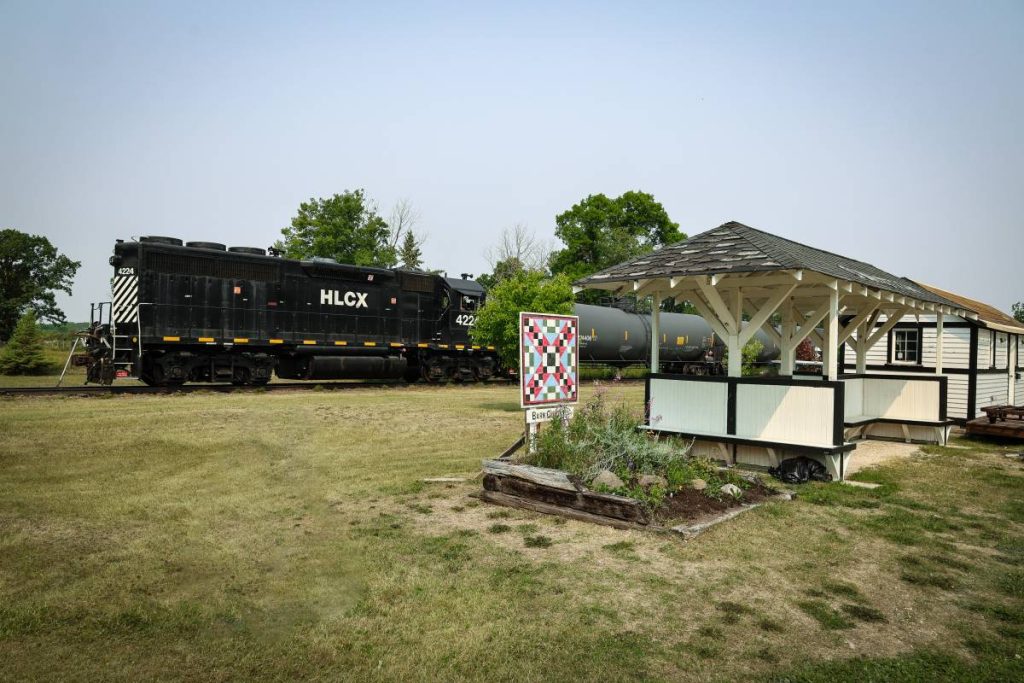
If you’ve ever turned off Highway 9 and wandered down Gimli Road, you’ve probably spotted it: a modest wooden building, freshly painted, sitting proudly at the corner of Railway Street and Central Avenue as though it’s still waiting for the 4:15 from Winnipeg. That building is the Dunnottar Station Museum, and this summer, it turns twenty.
For a museum that measures only about ten metres by three, it has carried a remarkably big story for two decades.
A station built for a beach-bound boom
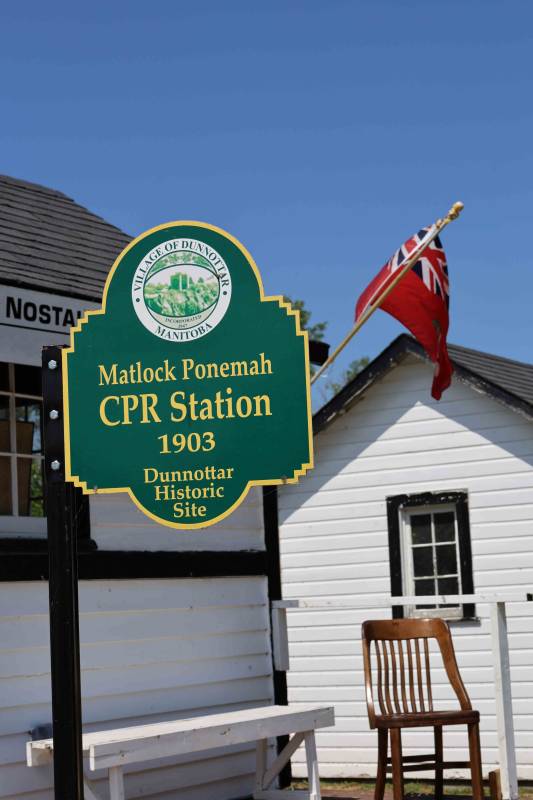
The story really begins in 1903, when the Canadian Pacific Railway pushed its rail line north from Selkirk toward Winnipeg Beach. The track sliced through a stretch of Lake Winnipeg’s southwest shore where, until then, there was little more than a small fishing outpost at Matlock and a great deal of bush. The CPR’s “beach line” changed everything. The line was extended to Gimli in 1906 and on to Riverton by 1914, and along the way, three tiny communities: Matlock, Whytewold and Ponemah sprang up around their own railway stations.
Each name tells you something about who was riding those trains. Matlock was named for a town in Derbyshire, England. Whytewold honoured Sir William Whyte, then vice president of the CPR and one of the area’s earliest summer residents. Ponemah came from Longfellow’s Song of Hiawatha, loosely, “the land of the hereafter,” or the place where the birds go.
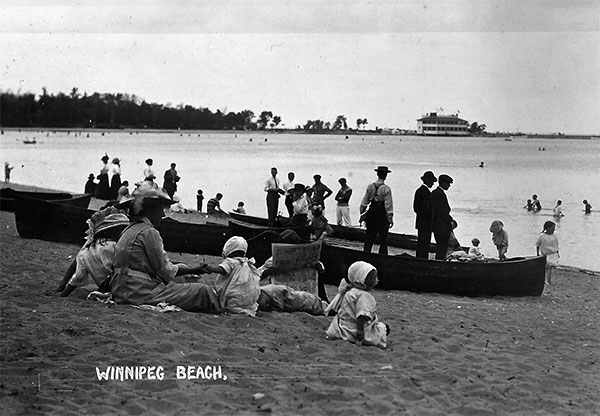
Generations of Winnipeggers came to know this corridor as “The Beaches,” and the daily train that ferried fathers from city offices out to their families at the cottage earned an affectionate nickname: the Daddy Train. Dad rode out for the weekend, the kids and the dog ran down to the platform to meet him, and on Sunday night, he climbed back aboard for another work week in the city. For decades, that platform was the heartbeat of summer.
The Matlock station that anchors today’s museum was built around 1903–1904 as what the CPR considered a temporary structure. As it turns out, “temporary” in 1904 meant something different than it does now.
From three communities to one village
By the mid-1940s, the cottage owners of Matlock, Whytewold and Ponemah had grown frustrated with the level of service they were getting from the Rural Municipality of St. Andrews. A committee led by Winnipeg businessman W. Chandler Birt began exploring the possibility of forming a municipality of their own, and on a Saturday in July 1946, residents packed into the Matlock Community Hall to discuss seceding.
The honour of naming the new municipality went to retired Winnipeg architect Alex Melville, believed to be the oldest cottager in the area. Melville hailed from Fraserburgh, Scotland, about 100 kilometres north of the dramatic clifftop ruins of Dunnottar Castle and he’d already introduced the name to Manitoba in 1907 when he and his brother William established the cottage suburb of Dunnottar Beach at Ponemah. Alex was also a founding member of the Dunnottar Yacht Club, and his yacht (Dunnottar, naturally) racked up regatta wins on Lake Winnipeg in the early 1900s.
The Manitoba Legislature passed an order-in-council in June 1947, and the Village of Dunnottar (rhymes with daughter) officially came into being on January 1, 1948.
How the station became a museum
By the 1990s, regular passenger service to The Beaches was long gone, and the little Matlock station was at risk of disappearing.
It started with a casual suggestion. In the summer of 2004, then-Mayor of Dunnottar Rick Gamble mentioned he knew of a station that was available, and wouldn’t it be neat if it could be brought to Ponemah and fixed up as the village museum, right beside the Art Centre? A small group of villagers took him up on the idea. That small group grew to 20 people, and the museum became a reality. There’s a saying that goes something like, “Sometimes it takes a village.”
The group originally organized as The Friends of Dunnottar – Station Project — a name still on file at the bank. After the group dropped its charitable status in 2017 and donated the museum to the Village of Dunnottar, with the major work on the “project” complete, it became known simply as the Dunnottar Station Museum.
The museum opened its doors to the public on July 2, 2006.
What’s inside (and beside) the station
For a building roughly the size of a generous garden shed, the museum punches well above its weight.
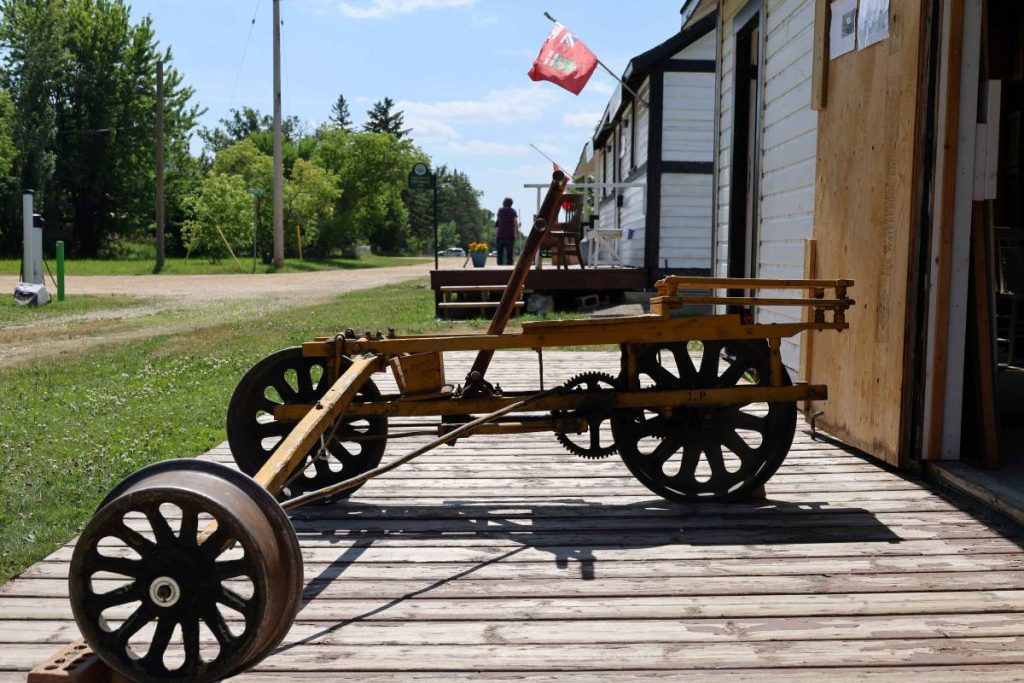
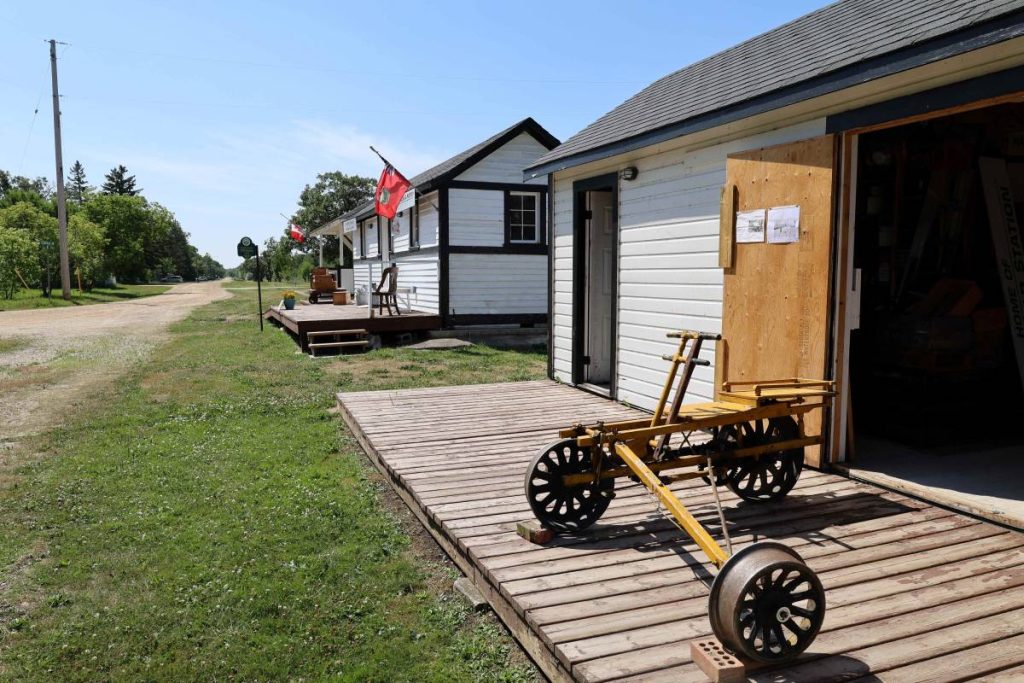
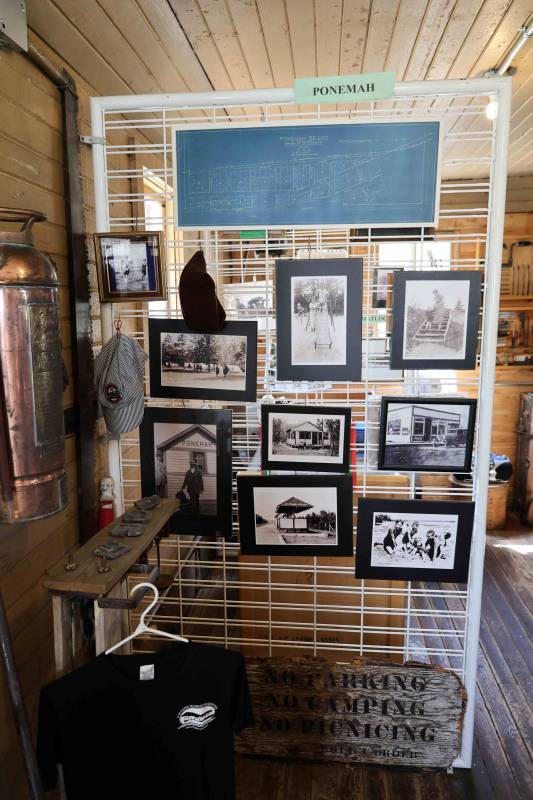
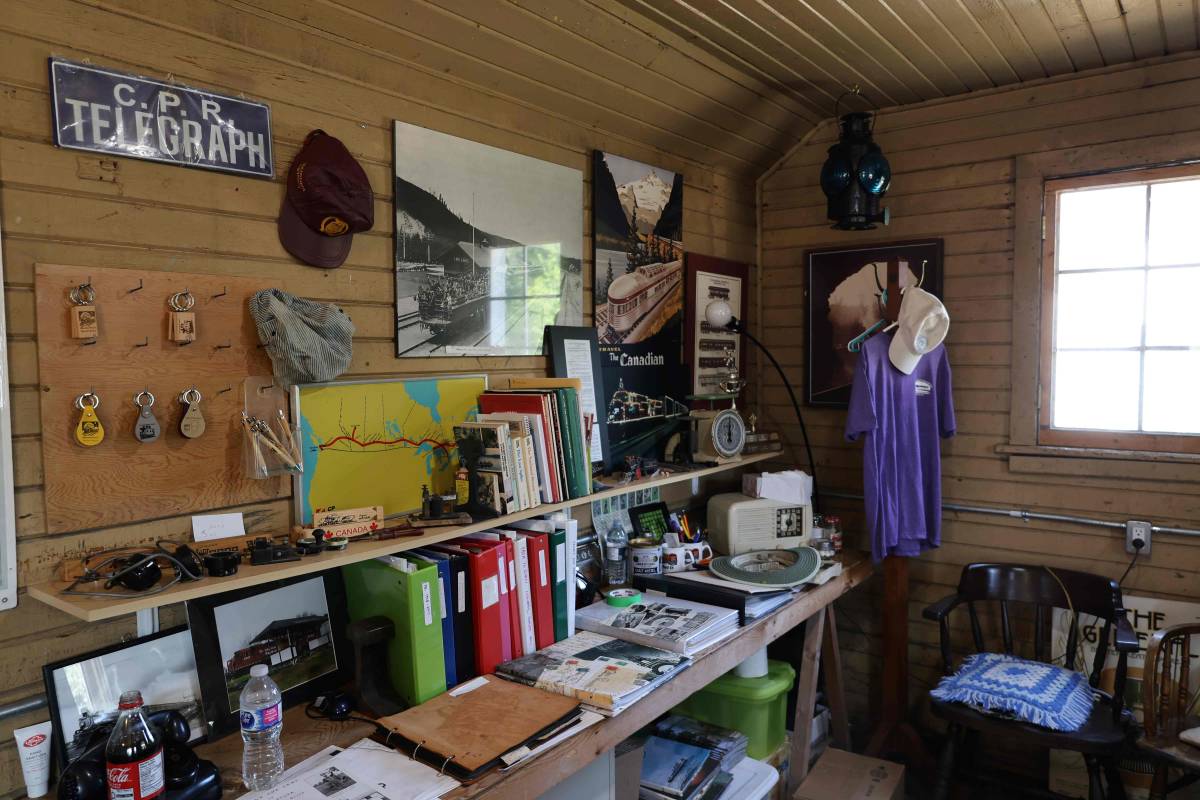
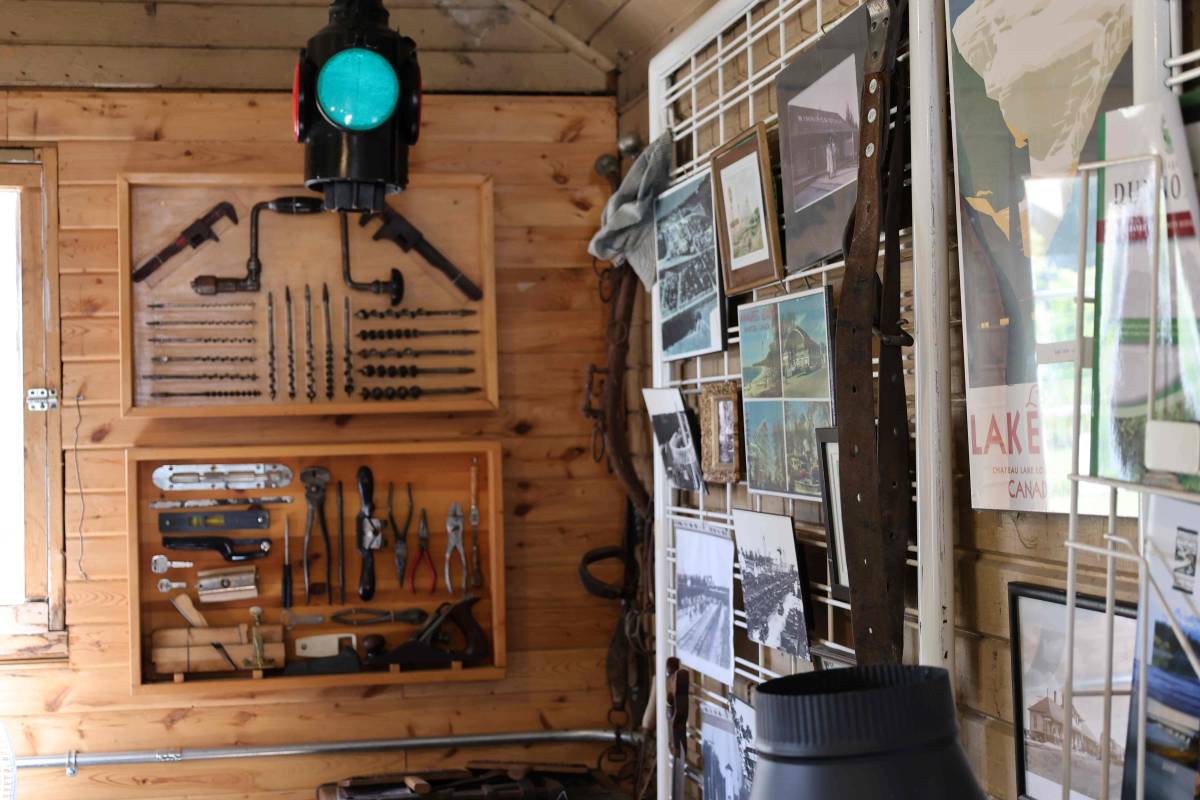
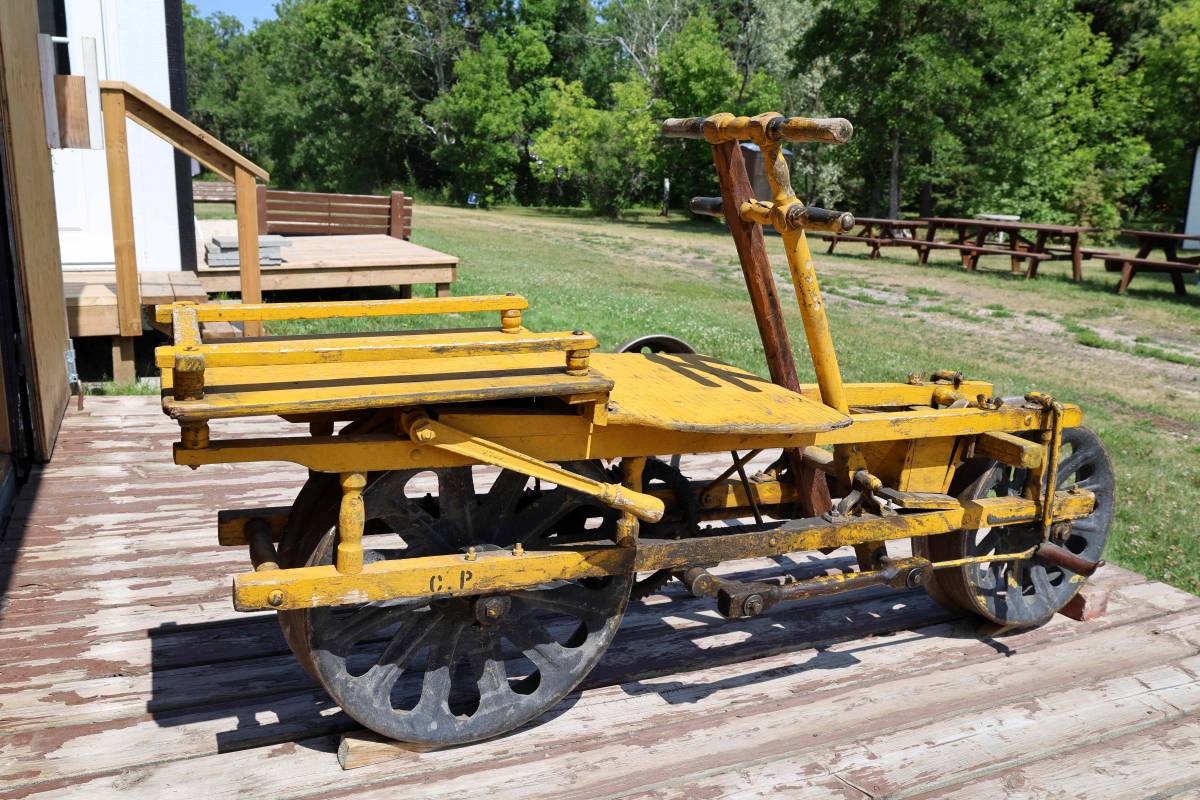
Step through the door, and you’ll find walls and shelves filled with historic photographs, maps, and original CPR documents that trace the rise of the beach communities, including a set of original blueprints for a cottage built in 1917, and albums of photos dating back to the early 1900s. Among the railway artifacts on display are an original CPR velocipede (a hand- and foot-powered three-wheeled track inspection vehicle), a vintage police siren, and the museum’s beloved speeder track car, “Big Stan.”
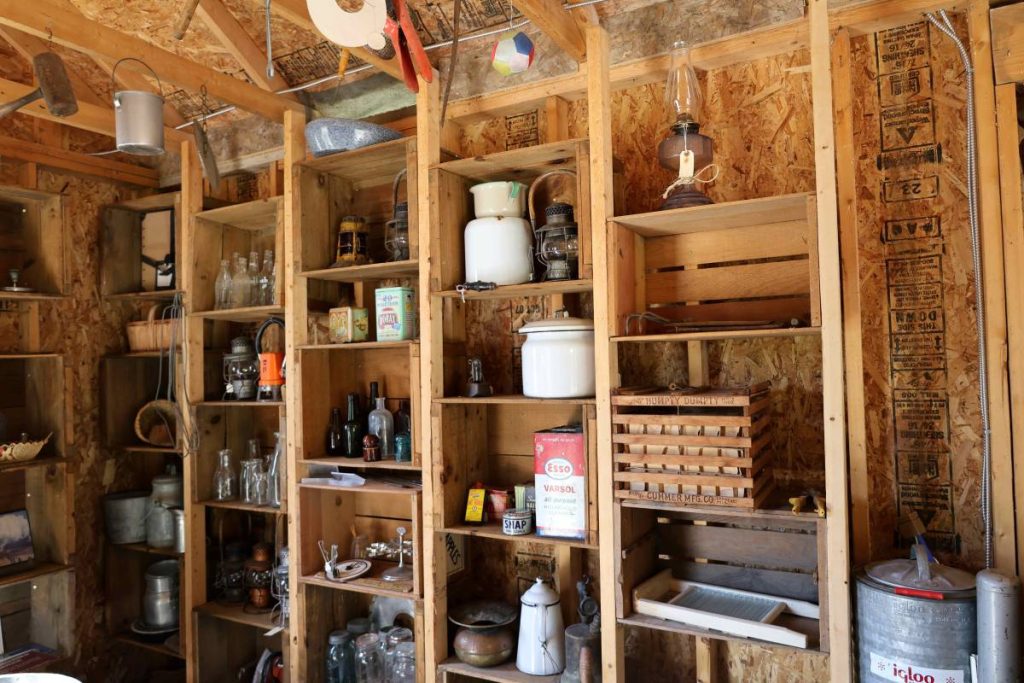
Outside, the Friends have added two more buildings constructed from original CPR blueprints: a platform shelter and a tool shed, both fitted with their own growing collections of railway and community memorabilia. Next door, you’ll find the vintage 1930s Ponemah Beach grocery store and post office, another carefully preserved piece of village history.
The grounds are a favourite stop for photographers looking to add a little vintage charm to family portraits, and the station is also home to a geocache for those who like a small treasure hunt with their history.
Twenty years, one platform, and a community that built it
What’s most striking about the Dunnottar Station Museum isn’t any single artifact. It’s the fact that this place exists at all. Across Manitoba, hundreds of small-town stations slipped away through the 20th century: torn down, burned down, or left to lean a little further every winter until they were gone. Dunnottar’s didn’t, because a handful of neighbours decided it shouldn’t.
Two decades on, that decision has given three generations of cottagers, day-trippers, history buffs, and curious kids a place to step into the story of how a fishing camp and a railway line grew into the village we know today.
Join the celebration on Saturday, July 4, 2026
The Friends of Dunnottar – Station Project invites the whole community, permanent residents, summer cottagers, day visitors, and anyone with a soft spot for small museums and big stories to mark the museum’s 20th anniversary on Saturday, July 4, 2026.
Come tour the station. Bring your kids and grandkids. Share your own family’s Daddy Train memories. And help us look forward to the next twenty years on the platform.
Dunnottar Station Museum, Central Avenue at Railway Street, Ponemah. Open weekends, June through September (or by appointment).
Donations and artifact contributions are gratefully accepted by The Friends of Dunnottar – Station Project. Tax receipts are issued through the Village of Dunnottar office at 44 Whytewold Road, Matlock.
Resources
Primary online sources
- The Dunnottar Station Museum (official website) https://dunnottarstation.org/
- Manitoba Historical Society — “Historic Sites of Manitoba: Dunnottar Station Museum” https://www.mhs.mb.ca/docs/sites/dunnottarstation.shtml
- Cassidy, Christian. “Dunnottar, Manitoba: One village, three communities.” Winnipeg Regional Real Estate News https://www.winnipegregionalrealestatenews.com/publications/real-estate-news/3948/dunnottar-manitoba-one-village-three-communities
- Wikipedia — “Dunnottar, Manitoba” https://en.wikipedia.org/wiki/Dunnottar,_Manitoba
- Interlake Tourism — “Dunnottar Train Station” https://interlaketourism.com/historical_museums/dunnottar-train-station/
- Winnipeg Model Railroad Club — “Visit the Dunnottar Station Museum every weekend this summer” (blog post, August 2024) https://winnipegmodelrailroadclub.blogspot.com/2024/08/visit-dunnottar-station-museum-every.html
- Dunnottar Station Museum — Facebook page https://www.facebook.com/DunnottarStationMuseum/
Donor and volunteer contacts
- The Friends of Dunnottar – Station Project P.O. Box 444, Winnipeg Beach MB R0C 3G0
- Village of Dunnottar Office P.O. Box 321, Matlock MB R0C 2B0 Physical address: 44 Whytewold Road, Matlock
Site coordinates
- GPS (Interlake Tourism): 50°28’12.9″N 96°57’21.3″W
- https://maps.app.goo.gl/GUx1k8LwxYzmKeZc9
- Address: Central Avenue at Railway Street, Ponemah, Village of Dunnottar, Manitoba
A note to readers: At the time of writing, the museum’s website (dunnottarstation.org) has been corrupted and may trigger a security warning in your browser. Please do not visit the site until further notice. For up-to-date information, follow the Dunnottar Station Museum on Facebook or visit in person during operating hours.